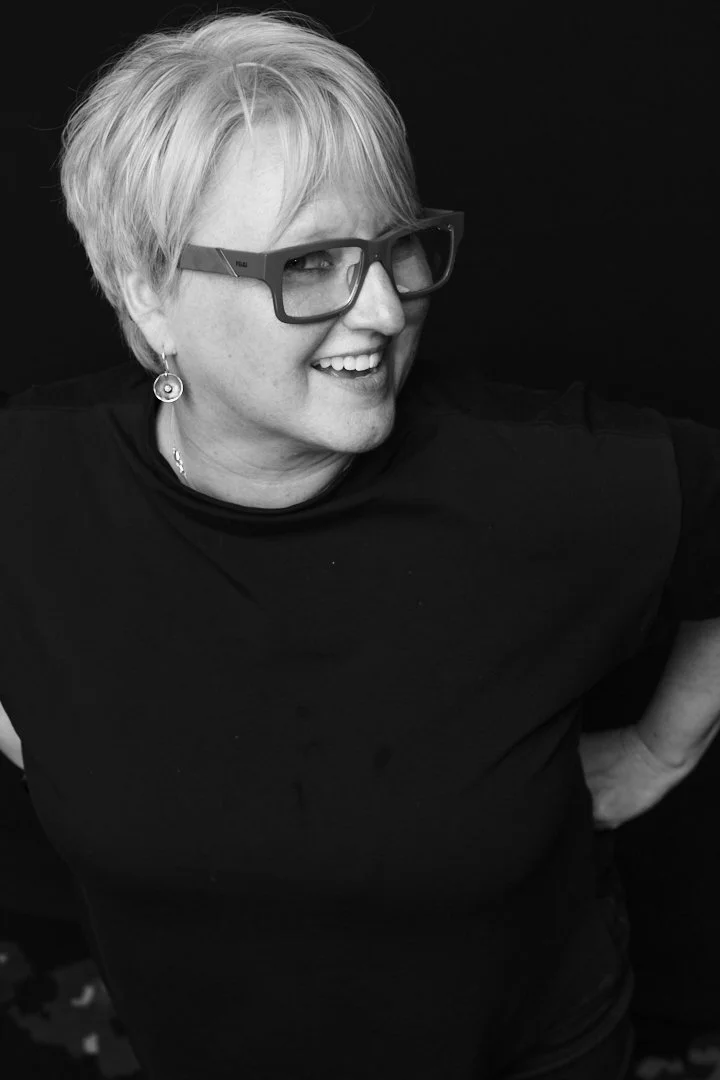
ABOUT r. aSLESON
I came to painting during a time of pandemic isolation, civil unrest, and the murder of a young man that forced me to confront how deeply I am shaped by and implicated in systems of white supremacy. At the same time, I began working with the Waterers, a cohort distributing money to artists, especially artists and culture bearers excluded from mainstream systems because of race, tradition, class, or social norms. That work changed the questions I ask myself as an artist.
What subject is mine?
What does it mean to make images from a landscape that was never truly ours to possess? What does it mean to paint beauty while living inside systems built on extraction, displacement, and inequity? I think often about appropriation: about artists using symbols, aesthetics, and cultural practices detached from the people who carry them, and how commerce can turn that borrowing into another form of theft.
These questions sit underneath my work, even though the paintings are figurative.
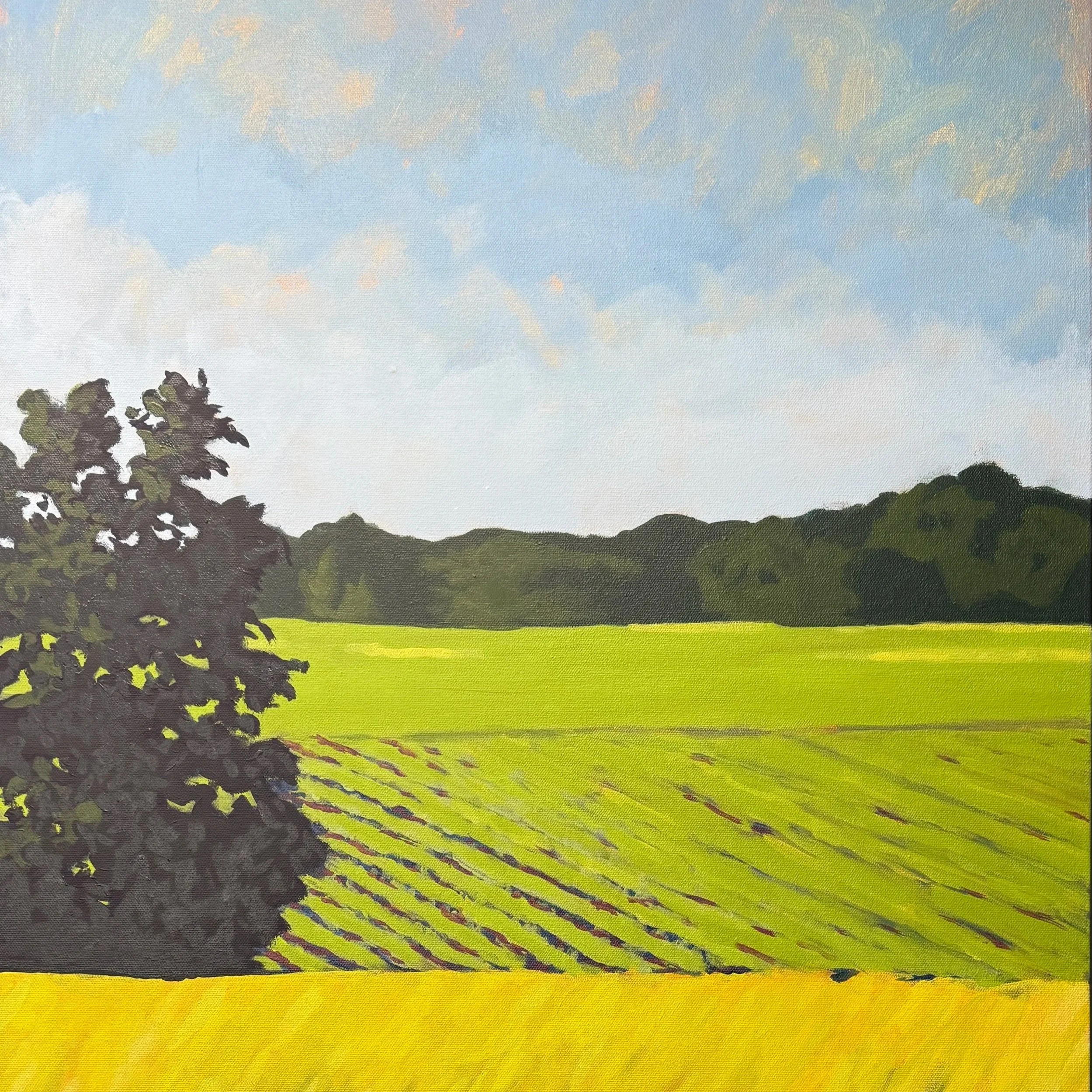
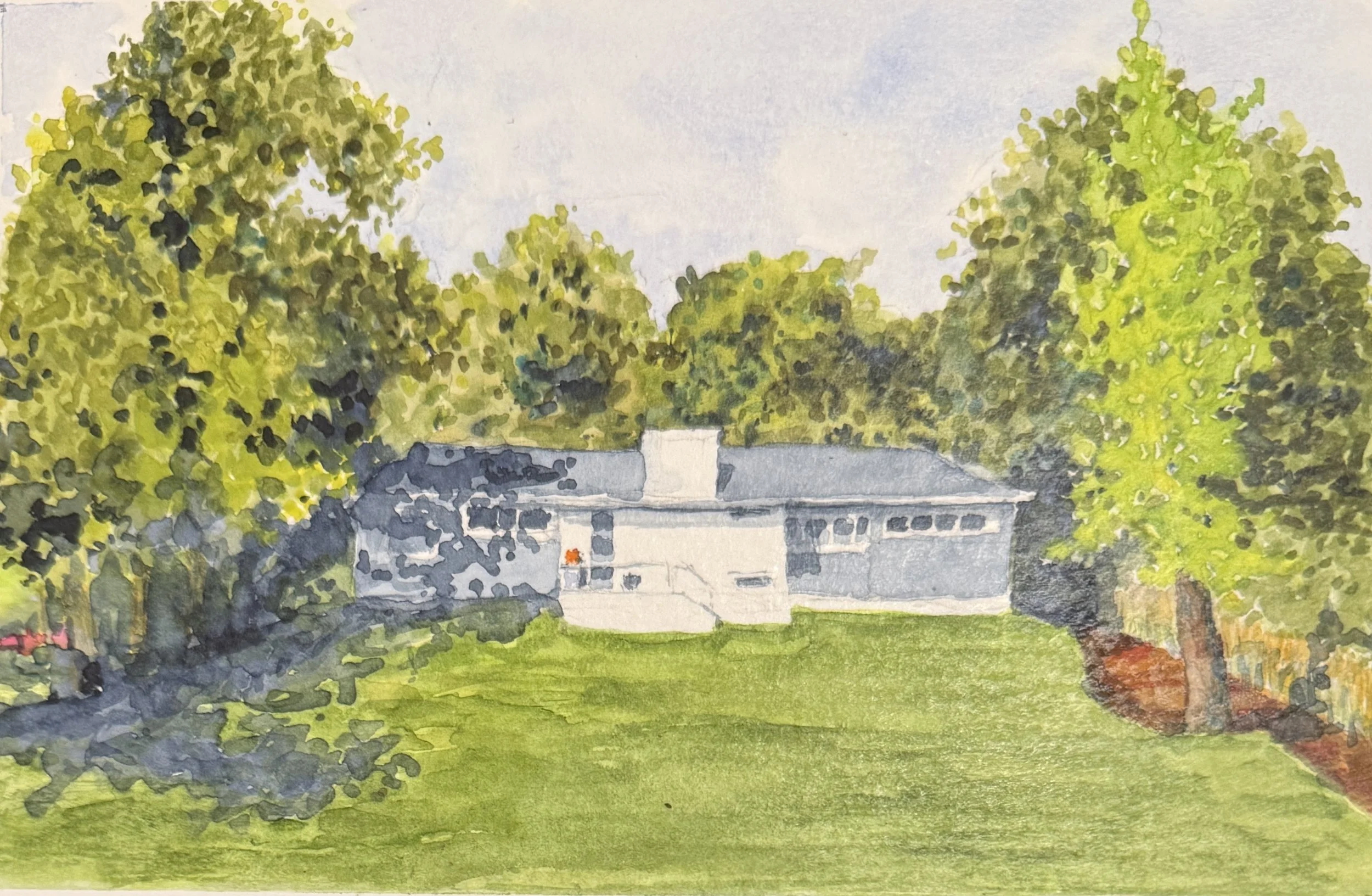
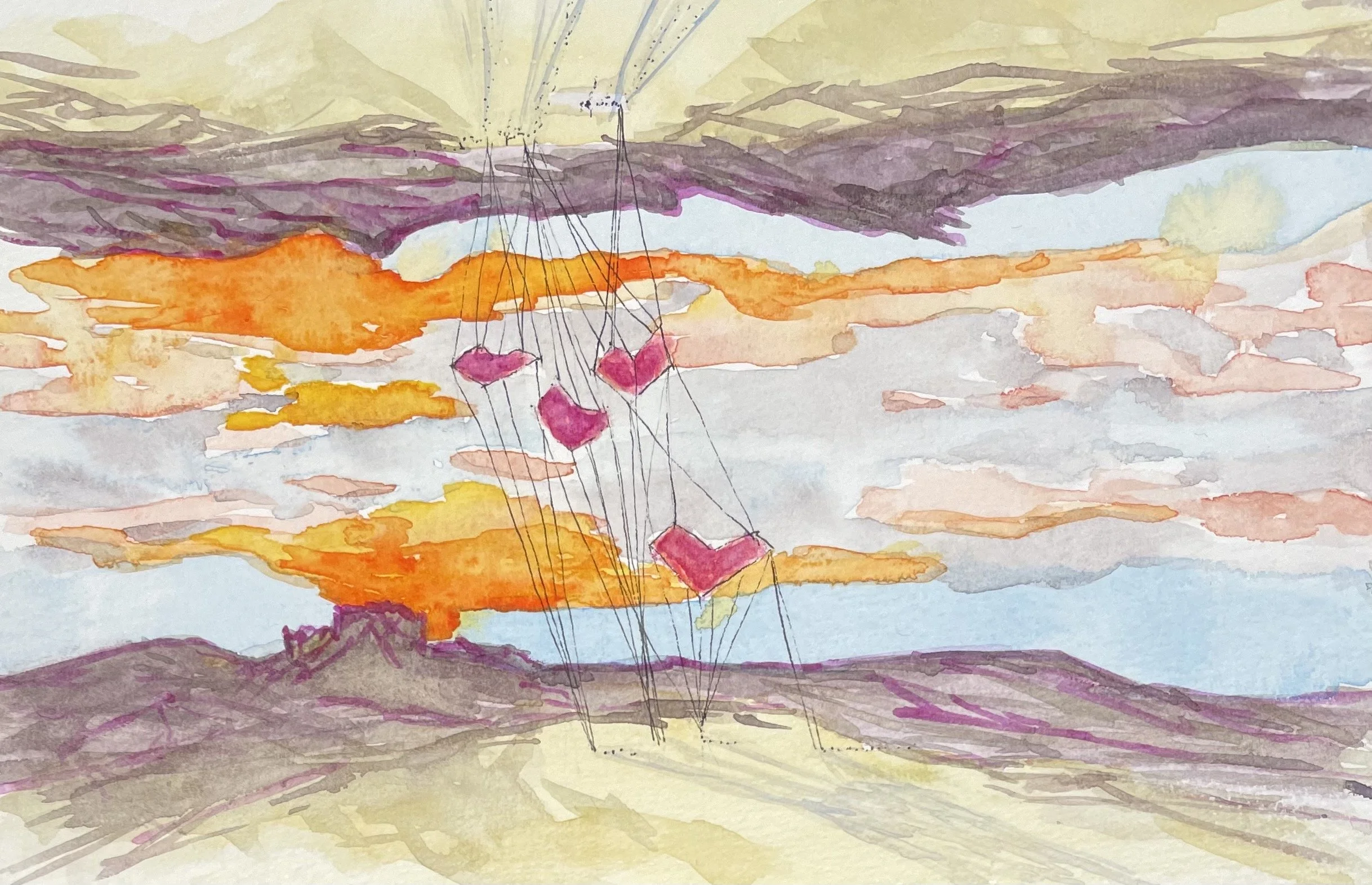
I paint prairies, horizons, light, and the ordinary because I love the subtlety of my homeplace: the enormous sky, the restrained palette of winter fields, color that appears briefly at dusk and dawn. The landscape may not belong to us, but the experience of awe does. I am interested in that tension between beauty and consequence, between wonder and responsibility.
I am still learning what it means to make art that speaks clearly about this moment in history. I carry the earnestness of an eighth grader imagining what art could do: create meaning, tell the truth, make people feel something larger than themselves. I want to make work that is visually compelling but also attentive to the social and cultural realities we move through together as humans — temporary beings made of “grassy bits and stardust,” constantly consuming, grieving, laughing, hurting, loving, and trying to make beauty anyway.
Right now, my practice is craft and observation. I primarily paint from photographs. I am drawn to stylized woodcuts, impressionistic portraiture, and bold color relationships. I especially enjoy creating “eye tickles”, high-contrast color interactions that vibrate visually, and limiting myself to small palettes mixed from only a few tubes of paint.
Each painting is an exercise in attention: attention to brushwork, shape, color, restraint, and emotional tone. I work until the piece feels enough to delight me.
My influences include the color work of artists local to Fargo, ND: Emily Williams Wheeler, Mitch Hoffert, Zhimin Guan, and Brandi Malarkey; the craftsmanship and visual language of printers Charles Beck and Eric Johnson. I continue learning from artists whose work balances technical skill with commentary, composition, and presence.
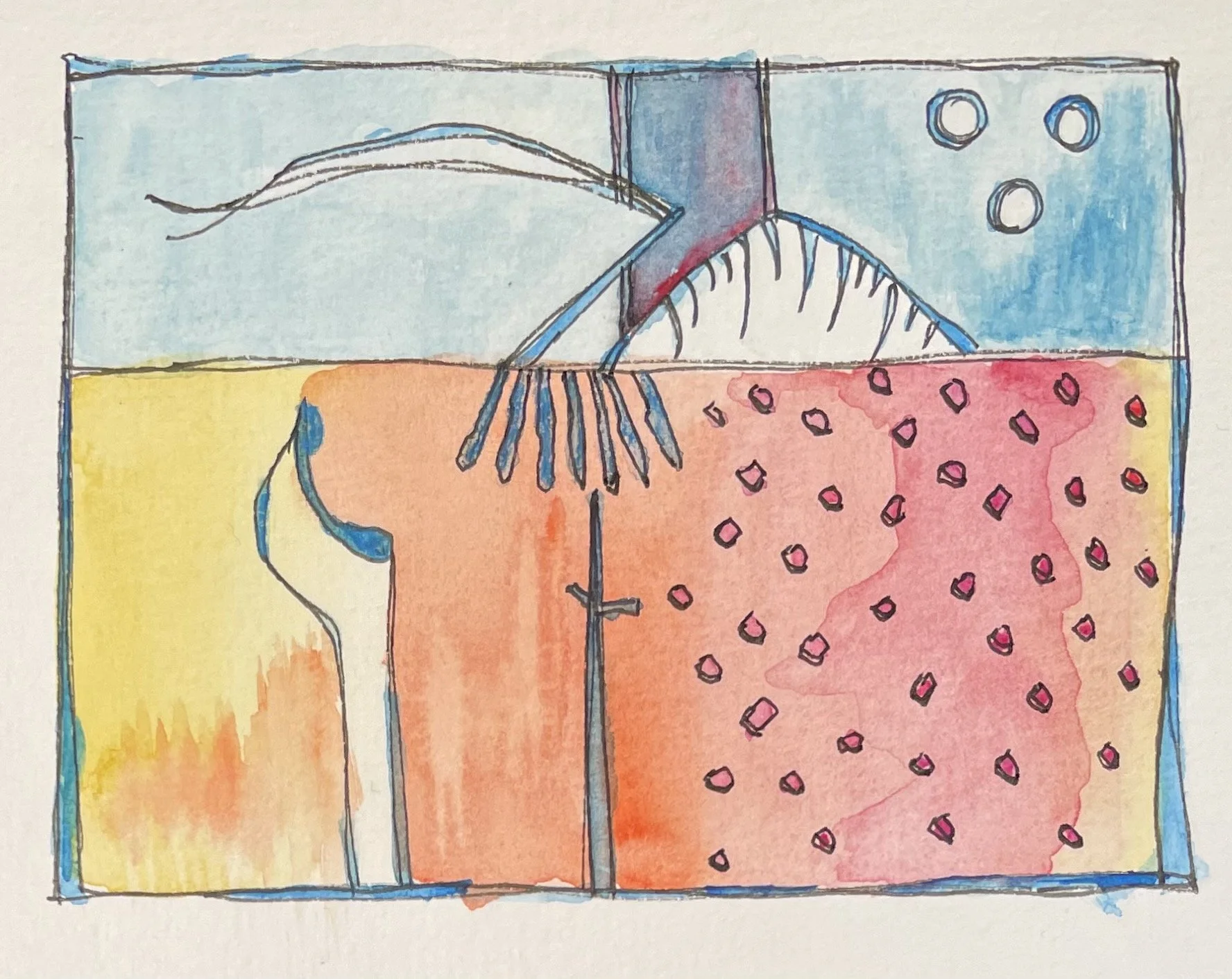
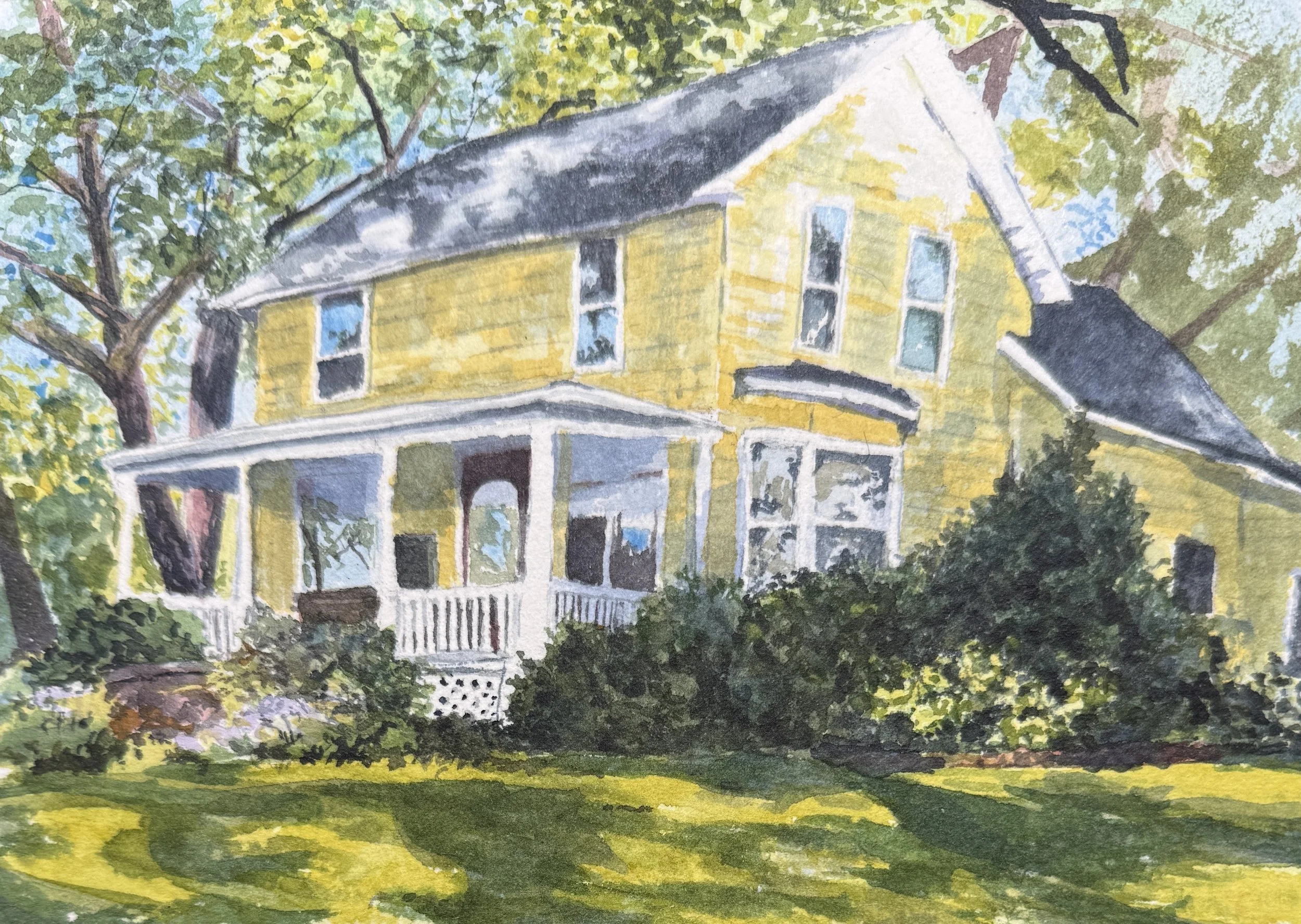
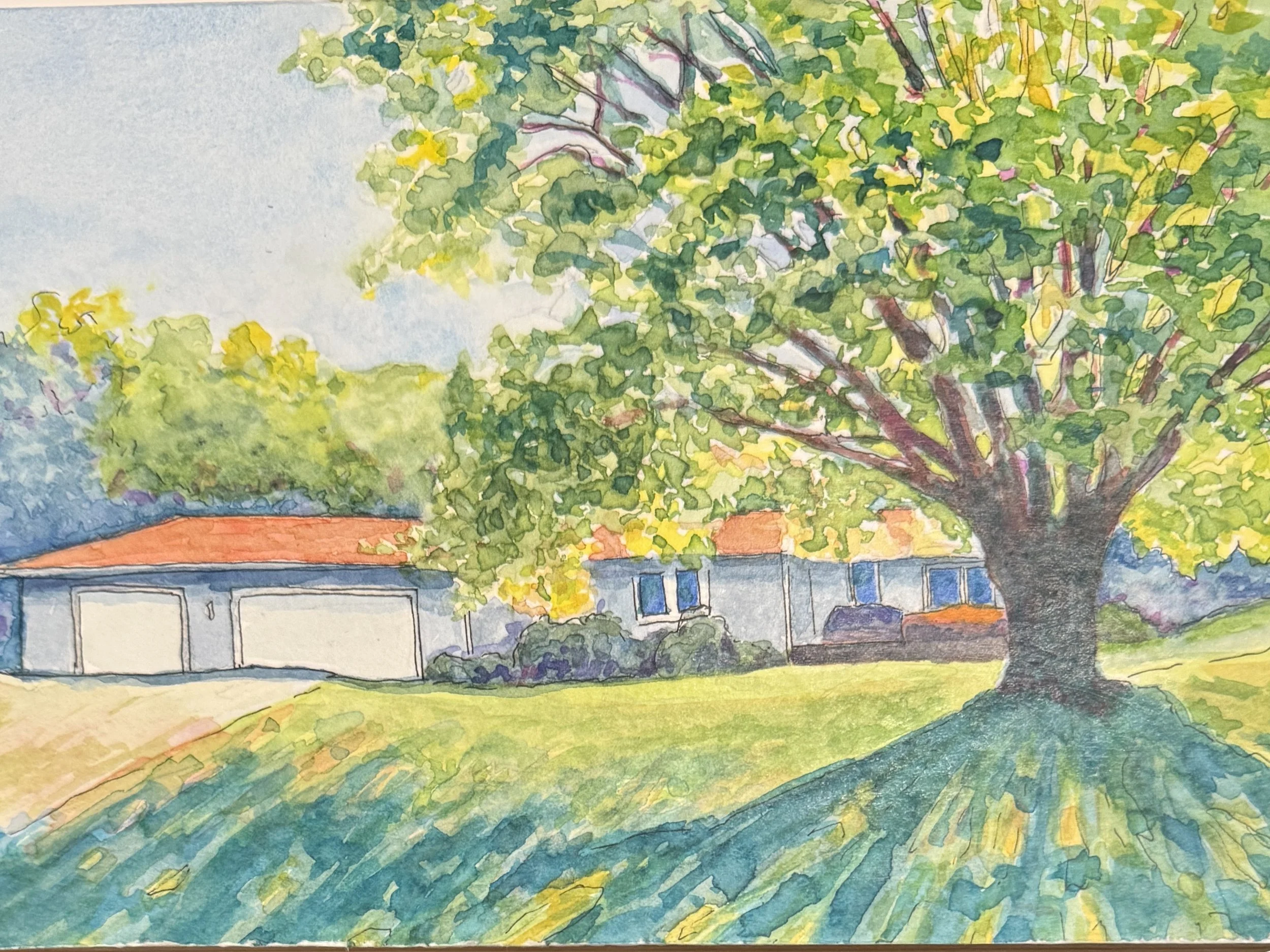
Alongside acrylic painting, I create a watercolor illustration each month for my company, Reach Partners Inc., newsletter and blog. The illustrations reflect not only the work we are doing professionally, but also what I am learning, questioning, and practicing as an artist. The paintings document growth as much as they document subject matter.
For now, I think of myself as traveling the path of practicing, observing, questioning, and learning how to make work that is honest about both beauty and the world that produces it.
The landscape may not belong to us, but the experience of awe does.